
Your Quick Map to This Guide
Most people open their birth chart, see a wheel crammed with symbols that look like a secret code, and close the tab. I get it. That was me about a decade ago, staring at my own chart and feeling dumber by the second. The turning point? A friend who'd been studying astrology for years said, "Stop trying to read the whole thing. Just find the Sun, Moon, and Rising first." That single piece of advice saved me hours of frustration.
If you want to learn how to read a birth chart, you don't need a PhD in symbolism. You need a system. This guide walks you through the exact steps I use when a friend sends me their chart and asks for the quick take. No fluff, no jargon overload, just a practical path from confusion to clarity.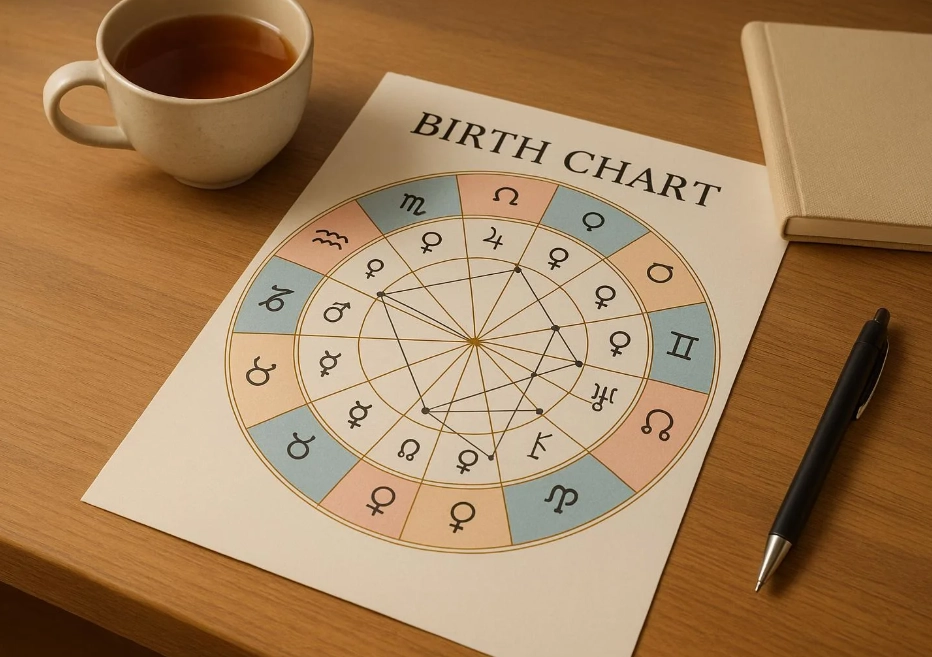
What a Birth Chart Actually Is (Beyond the Circle)
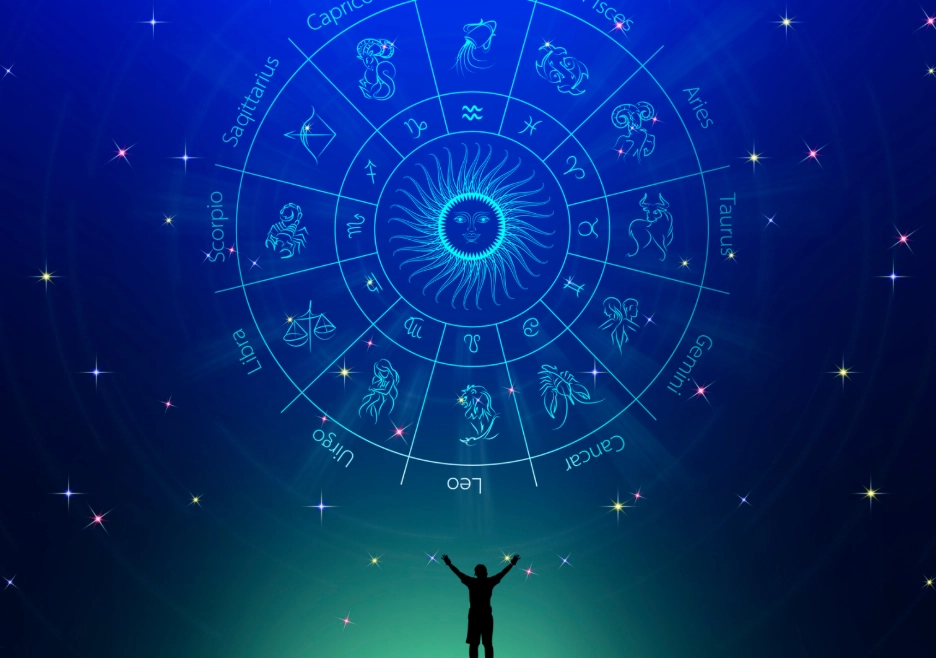
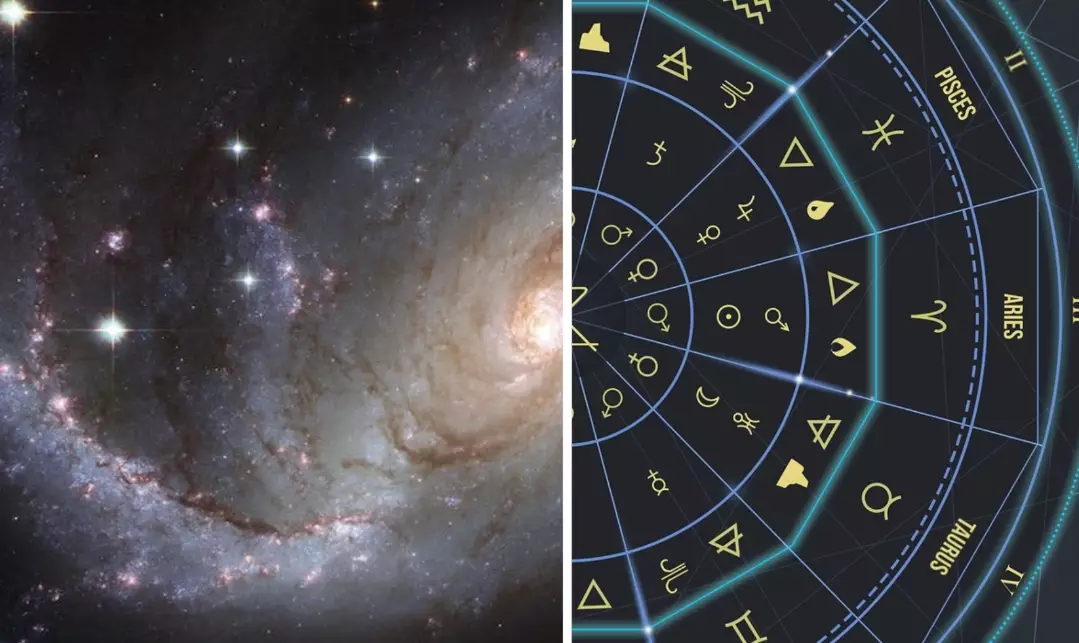
A birth chart is a snapshot of the sky at the exact moment and location you were born. Think of it as a cosmic fingerprint. Astrologers plot the positions of the Sun, Moon, and planets against the backdrop of the zodiac signs and twelve houses. That wheel? It's just a 360-degree map, sliced into pieces to make it readable.
Here's the thing most beginner guides skip: your birth chart isn't a personality test result. It's a timing tool. The same chart that describes your tendencies also shows when certain themes might pop up in your life. That's why two people born on the same day can be radically different—the rising sign changes every two hours, shifting the entire house structure.
The Three Pillars: Signs, Houses, Planets
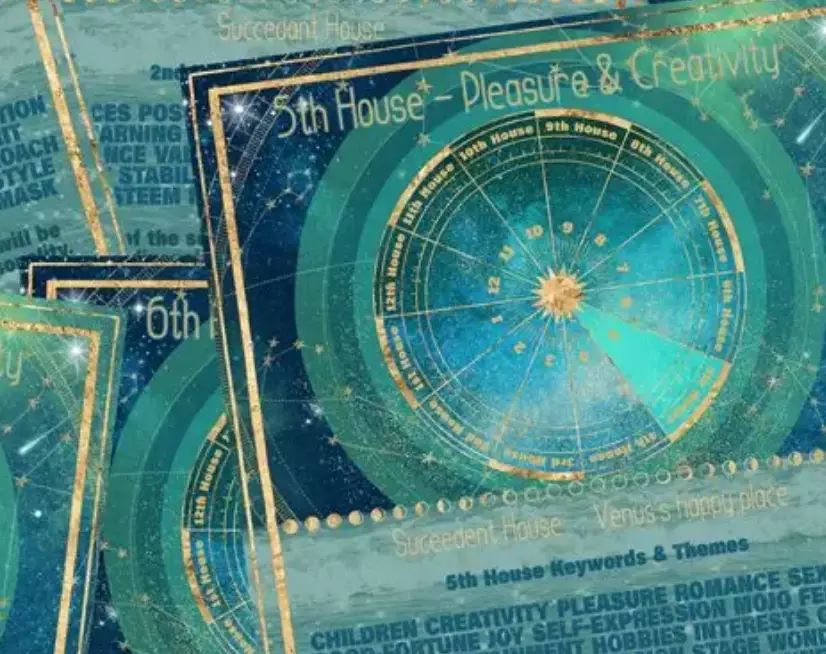
Before you dive into the wheel, you need to understand the three building blocks. Astrologers combine them like sentence parts: planets are the what, signs are the how, houses are the where.
| Pillar | What It Represents | Key Example | Beginner Trap |
|---|---|---|---|
| Planets | The active force—what's happening | Venus = how you love and value | Ignoring the outer planets (Uranus, Neptune, Pluto) because they're generational—but they still have personal house placements |
| Signs | The style or flavor of expression | Moon in Scorpio = emotionally intense, private | Assuming a sign is "good" or "bad"—they're neutral; context matters |
| Houses | The life area where energy plays out | 7th house = partnerships, marriage | Forgetting that house systems (Placidus vs. Whole Sign) can shift a planet's meaning dramatically |
One subtle error that even intermediate students make: treating the 12 houses as equal. In Placidus (the most common system), houses vary in size. I once saw a chart where the 6th house was so small that a planet there had a much softer expression than the textbook predicted. So when you interpret, check the house size before jumping to conclusions.
How to Read a Birth Chart Step by Step
Step 1: Identify Your Big Three
Start with the Sun, Moon, and Ascendant (Rising sign). Your Sun sign is your core identity—the "I am" statement. The Moon reflects your emotional wiring. The Ascendant is the mask you wear when you meet someone new. I tell friends to write these three down on a sticky note before doing anything else.
Quick tip: if you don't know your birth time, the Ascendant might be wrong. Use a rectification service or ask a professional astrologer to help. A chart with a guessed rising sign will throw off every house placement.
Step 2: Map the Planets in Signs
Next, note which sign each planet occupies. But don't just read a one-liner from a website. Look at the planet's dignity—is it in its home sign (like Venus in Taurus) or in a sign that challenges it (like Venus in Aries)? This adds nuance. A Venus in Aries might rush into love, while Venus in Taurus prefers slow, steady building.
Here's where I see beginners trip up: they read every planet as if it's equally loud. In reality, the personal planets (Sun, Moon, Mercury, Venus, Mars) dominate your day-to-day personality. The outer planets (Jupiter, Saturn, Uranus, Neptune, Pluto) operate more like long-term background music. Focus on the personal ones first.
Step 3: Locate the Houses
Once you know the planets' signs, look at which house they land in. This is where the story gets specific. A Mars in Gemini is chatty and mentally restless—but if that Mars sits in the 4th house (home and family), you might channel that energy into domestic debates or renovation projects.
I always suggest tracing the chart's center (the Ascendant line) and counting counterclockwise. The first house starts right below the Ascendant. This takes practice. After a few charts, it becomes second nature.
Step 4: Check the Aspects (The Hidden Layer)
Aspects are angles between planets. Conjunctions (same sign), trines (120° apart), squares (90°), and oppositions (180°) are the big four. You don't need to memorize every orb—just know that tight aspects (within 2-3 degrees) are the most powerful.
Here's the non-consensus bit: the minor aspects (quincunx, semi-square) get a bad rap for being "unimportant." In my experience, quincunxes often show up in charts where someone feels a constant low-grade tension they can't name. Don't ignore them if you're serious about reading a chart deeply.
A Real Example: Reading a Chart in 10 Minutes
Let me walk you through a chart I actually read last week. A friend asked, "Why do I keep burning out at work?" Her chart: Sun in Capricorn (10th house), Moon in Pisces (6th house), Rising in Libra. Mars in Cancer (9th house) square the Sun.
Here's how I broke it down. Capricorn Sun in the 10th means her identity is tied to career achievement. Moon in Pisces in the 6th suggests emotional exhaustion gets triggered by daily routines and health habits. Mars square Sun adds a drive to overextend—she says yes to too many projects. The Rising in Libra makes her want to please everyone.
That took maybe ten minutes. The fix? She set a hard stop for work at 6 p.m. and started using her lunch break for a walk, not emails. Small change, big impact. The chart showed the tension; the solution came from the specifics of the signs and houses.
FAQ: The Questions You're Afraid to Ask
This guide gave you the scaffold. Reading a birth chart gets easier with repetition, so pull up a few charts of people you know (with their permission) and start mapping. The symbols stop looking like code once you realize they're just a language for human experience. Verified for accuracy with current astrological resources including the American Federation of Astrologers glossary and standard ephemeris data.
Reader Comments