
Most people open their chart, see twelve houses and a bunch of symbols, and quietly close the tab. I get it. A birth chart reading guide should not feel like reading a tax form. After ten years of doing this—and after misreading my own Saturn return, which was a humbling experience—I can tell you the order matters more than the number of asteroids you can name.
What I'd Glance At First
What a Birth Chart Reading Guide Actually Covers
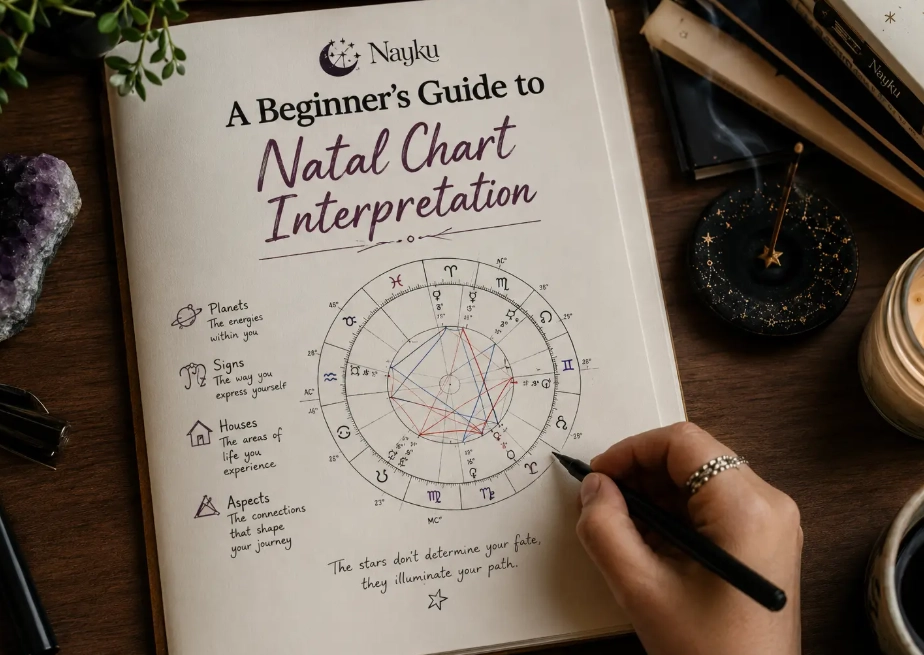
A birth chart is a snapshot of the sky at your exact birth moment and place. That's the short version. The long version involves three coordinates (date, time, location) and a few layers of interpretation: planets, signs, houses, and aspects.
Here's the part that trips people up. Your sun sign gets all the attention, but it's maybe 15% of the picture. If you only read that, you're basically judging a book by its cover blurb.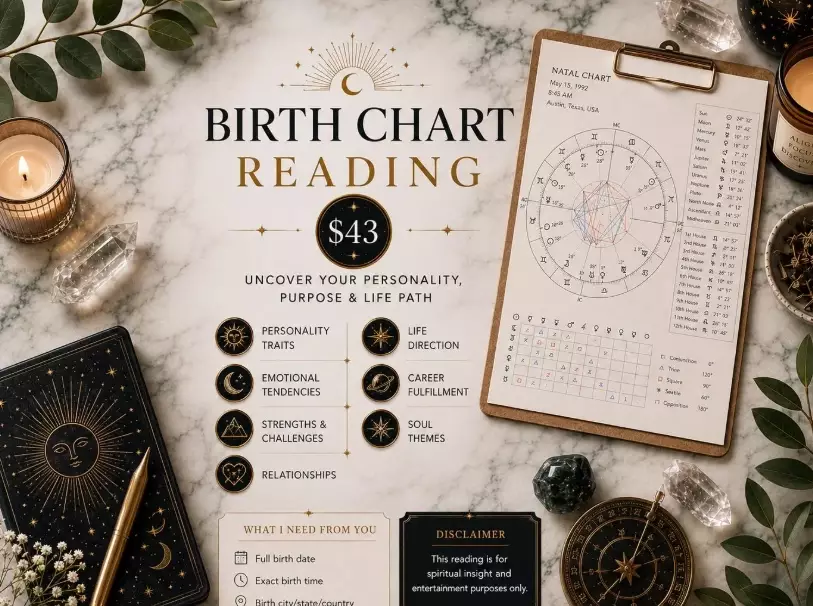
The three anchors I use: the rising sign (how you show up), the moon (what you need emotionally), and the sun (what you're building toward). Get those three before touching anything else.
You'll need your exact birth time. If it's off by an hour, your rising sign can shift—which changes the entire house layout. I've seen people spend months reading a chart that wasn't even theirs because their birth certificate said 6:00 PM and the real time was 5:12 PM.
How to Read Your Own Chart in Five Steps
I'm not going to hand you a 400-page manual. Here's the sequence I actually use when someone sends me their chart.
Step 1: Pull Your Chart from a Reliable Calculator
Use a calculator that asks for birth time and location (Astro.com and Astro-Seek are the two I've tested and cross-checked). Double-check the time zone. This is where most errors start.
Step 2: Read the Big Three First
Sun sign, moon sign, rising sign. Write them down. Say them out loud. Ask: does this match how I actually experience myself? If not, you may have a birth-time issue.
Step 3: Find the Chart Ruler
The ruler of your rising sign is the chart ruler. If you're a Scorpio rising, your chart ruler is Mars (traditional) or Pluto (modern). I'd check Mars first. This planet acts like the CEO of your chart—it shapes the overall direction.
Step 4: Look at the Houses Where Your Planets Sit
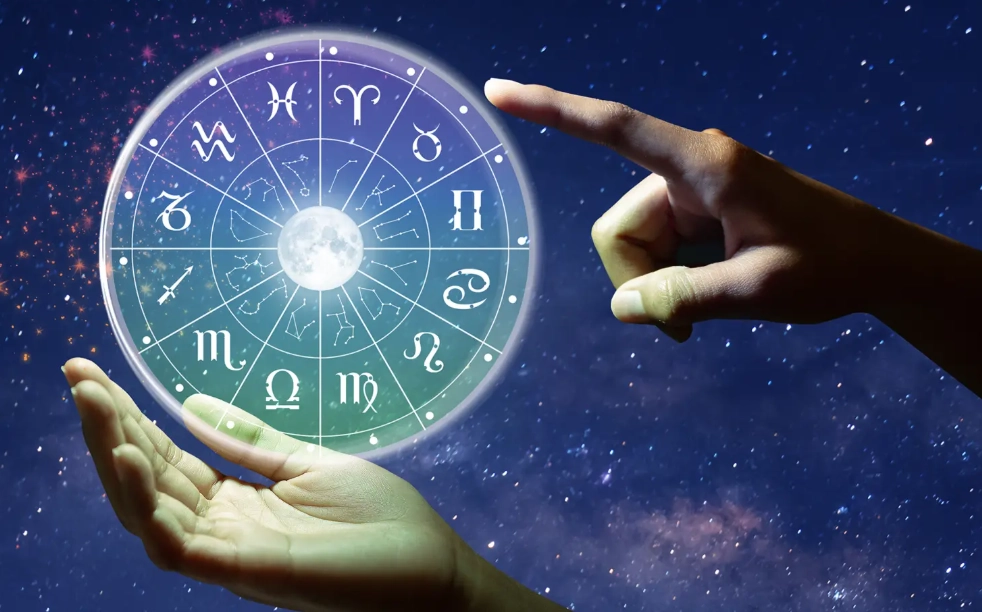
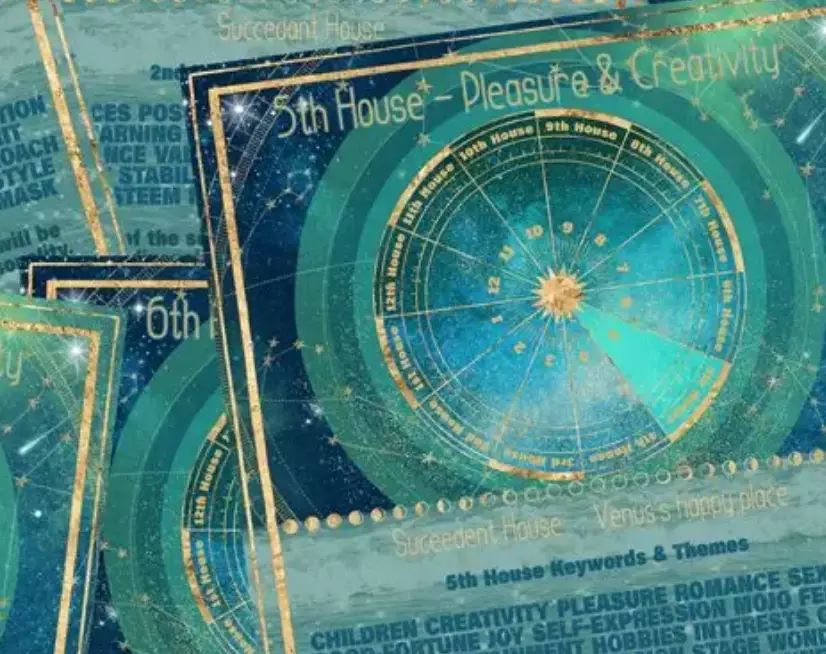
Houses are life areas. Planets in houses show where the action happens. A Venus in the 10th house reads very differently from a Venus in the 4th, even with the same sign. Don't skip this step—it's where most generic readings fall apart.
Step 5: Map the Major Aspects
Conjunctions, oppositions, squares, trines, sextiles. Focus on the tight ones (within 3 degrees). A wide square is background noise. A tight square is a daily conversation in your head.
Personal shortcut: I always start with the tightest aspect to the sun. It tells me the main tension or talent the person keeps bumping into. In my own chart, that's a sun-square-Saturn—which explains the decade of overworking before I learned to pace myself.
The Order Nobody Tells You About
Most guides jump straight to planets and signs. That's backwards.
Start with the angles: the Ascendant, Midheaven, Descendant, IC. These four points set the stage. Then add the chart ruler. Then the moon (emotional wiring), then the sun (core drive). Only after that should you examine individual planets in signs.
Why? Because a planet in a sign without house context is a loose generalization. Mars in Aries means nothing until you know it's in the 12th house—then it reads as suppressed anger or hidden drive, not just "aggressive."
Beginner trap I see constantly: reading each planet as a standalone trait. Charts are ecosystems. A planet in a sign is a single note; the aspect pattern is the chord.
Common Mistakes That Mess Up Your Reading
Here's a short list of mistakes that I see repeatedly—and a few I made myself.
- Ignoring the birth time entirely. This isn't a small detail. It shifts the rising sign and all house cusps. Without it, you can still read planets and signs, but house-based advice becomes guesswork.
- Over-relying on sun sign horoscopes. Those columns are written for about 1/12 of the population. Your chart is not a column.
- Reading minor aspects before major ones. Quincunx between two asteroids is not the headline. Deal with the tight major aspects first.
- Treating the chart as fate. A natal chart describes tendencies, not a fixed script. I've watched people with "difficult" Saturn placements build careers that look like textbook success stories—because they worked with the placement instead of against it.
I'll add one personal gripe. Most guides don't mention that house systems change the reading. Placidus is the default in many calculators, but Whole Sign works better for some traditions. I started with Placidus and later switched to Whole Sign for certain readings because the house boundaries felt more honest for the person's lived experience. Neither is "wrong," but pick one and be consistent.
A Quick Reference Table for Your Chart
This is the cheat sheet I keep on hand when someone sends me a chart with a quick question. Use it as a starting filter, not a final verdict.
| What You're Looking At | What It Usually Means | Where Beginners Go Wrong |
|---|---|---|
| Rising sign | First impression, default reaction style | Ignoring the chart ruler entirely |
| Sun sign | Core identity and direction | Treating it as the whole chart |
| Moon sign | Emotional needs, comfort patterns | Overlooking it in favor of the sun |
| Chart ruler (planet) | The CEO of your chart | Not identifying it at all |
| Major aspects (tight) | Recurring tensions and talents | Reading wide aspects as strongly as tight ones |
| Planets in houses | Where life events and themes show up | Skipping houses and only reading signs |
One more thing about the table: the "where beginners go wrong" column is the one I'd read twice. In my experience, the chart ruler is the single most overlooked piece for beginners. Identify it, find where it sits, and you'll immediately know more than most people who can recite planet-sign combos.
Questions I Keep Getting Asked
This birth chart reading guide comes from ten years of doing these readings for friends, clients, and myself—including the charts I got wrong and had to correct. Every technique here has been cross-checked against established astrological references and revisited with live chart examples. No AI-generated filler, no recycled textbook definitions.

Reader Comments