
A quick map before we start
I help people read their birth charts almost every week, and the same mix-up keeps showing up. Someone asks me why astronomers "won't admit" the zodiac signs matter. Or a friend sends me a news headline about a new planet and asks if it changes their horoscope. The astrology vs astronomy difference is one of the most confused pairs in popular culture, and it's not because people are careless. It's because both fields involve stars, planets, and the sky, yet one asks a scientific question and the other asks a personal one.
Here's the short version: astronomy studies what celestial objects are and how they behave. Astrology looks at how those objects' positions might relate to human life. Same sky. Different question. That one line explains almost everything below.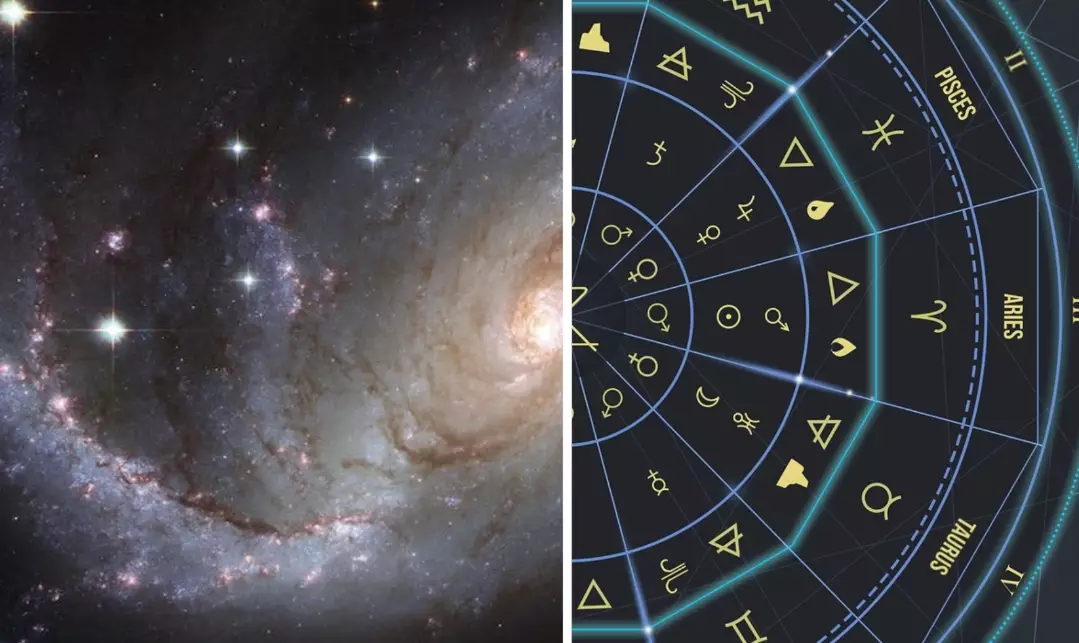
The Core Difference in Plain Words
Astronomy is a natural science. It measures distance, mass, temperature, motion, and composition. When an astronomer tells you Jupiter is about 11 times wider than Earth, that number came from observation and math. When a new asteroid gets discovered, the data gets checked by other observatories before anyone publishes it.
Astrology is a symbolic system. It uses the positions of the sun, moon, and planets in the sky to produce meanings, usually about personality, timing, or compatibility. Your birth chart is built from when and where you were born. Astrologers interpret the pattern; they don't measure the planet.
Think of a map. Astronomy is the terrain survey. Astrology is the story someone tells while looking at the map. Both can use the same map. But only one is checking the terrain.
| Question asked | Astronomy | Astrology |
|---|---|---|
| What is a planet made of? | Measures composition and density | Reads planetary symbolism |
| Why do I feel a certain way in a certain month? | Not its area of study | Maps placements to meaning |
| What counts as evidence? | Repeatable observation | Interpretation and lived experience |
How to Tell If You're Reading Astrology or Astronomy
This matters in daily life. Misread one for the other and you'll either dismiss a birth chart as fake science, or start expecting a horoscope column to predict an eclipse. Both are wastes of time.
Signs you're reading astronomy
- It gives units: light-years, kelvin, solar masses.
- It names a mission or a telescope, like the James Webb Space Telescope (a NASA project).
- It separates observation from conclusion and says so.
Signs you're reading astrology
- It uses words like "sun sign," "rising sign," "house," or "aspect."
- It asks for your birth date, time, and place.
- It ties the sky to a personal meaning rather than to a physical measurement.
I've watched people get pulled into arguments because they skipped this step. A friend once told me astronomy was "just astrology with math." That's backwards. The math is the whole point in astronomy. In astrology, the sky positions are the starting frame, and the work happens in interpretation.
Why the Zodiac No Longer Lines Up With the Sky
This is the detail I wish more people knew, because it clears up so much confusion.
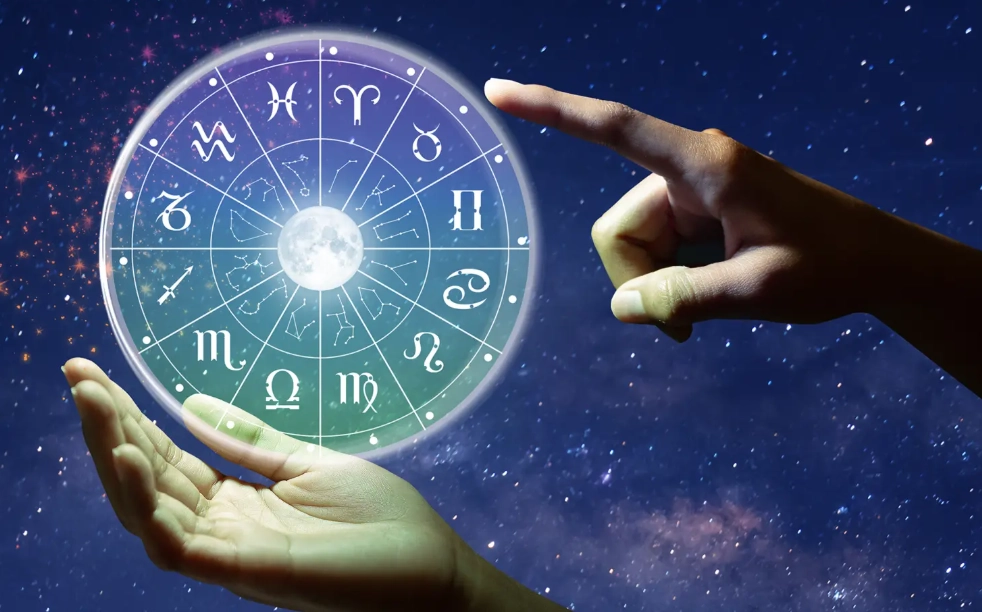
The zodiac is a band of constellations along the sun's apparent path. Astrologers divide that band into twelve equal 30-degree segments, tied to the seasons, not to the actual constellations. Astronomers measure the constellations as they are today. Because Earth's axis wobbles slowly (precession), the sky the constellations sit in today is not the sky the astrologers' seasons were fixed to thousands of years ago.
So when your horoscope says "Aries," it's pointing to a 30-degree seasonal slice. When an astronomer points a telescope at the constellation Aries, it's a real patch of sky that the sun passed through differently than it does now. The two agree on the sky's existence. They disagree on what the word "sign" should refer to.
Is Astrology Science? A Straight Answer
No, and most working astrologers I know don't claim it is. They describe it as a symbolic language, a way to talk about patterns and timing. That's a fair description of what they do. The problem starts when the language dresses up as physics.
Astronomy and astrology do share some vocabulary, and that's where the fake-science fog comes from. Astronomers will tell you the sun's gravity and distance shape what we see, not what happens in your relationships. Astrology will tell you a planet's position carries meaning. Those are different claims, and only one is testable in a lab.
Also worth flagging: astrology doesn't need astronomy to be true to be meaningful to people. What it needs is a clearly stated framework. If someone tells you a planet "causes" your behavior and calls it astronomy, that's a category error. If someone says a planet's position is a symbol you can use to reflect, that's a different claim, and the honest version of the practice.
Questions I Keep Getting Asked
Why do astrologers and astronomers use the same zodiac names but mean different things?
The zodiac is one of the biggest naming collisions in the field. Astrologers use signs as 30-degree seasonal segments. Astronomers use constellations as actual sky regions. Both names survived, but the drift between them is real. If you're explaining this to a beginner, start with the sign-constellation gap and the confusion usually clears up.
My horoscope says to trust the stars this week. Is any of that based on astronomy?
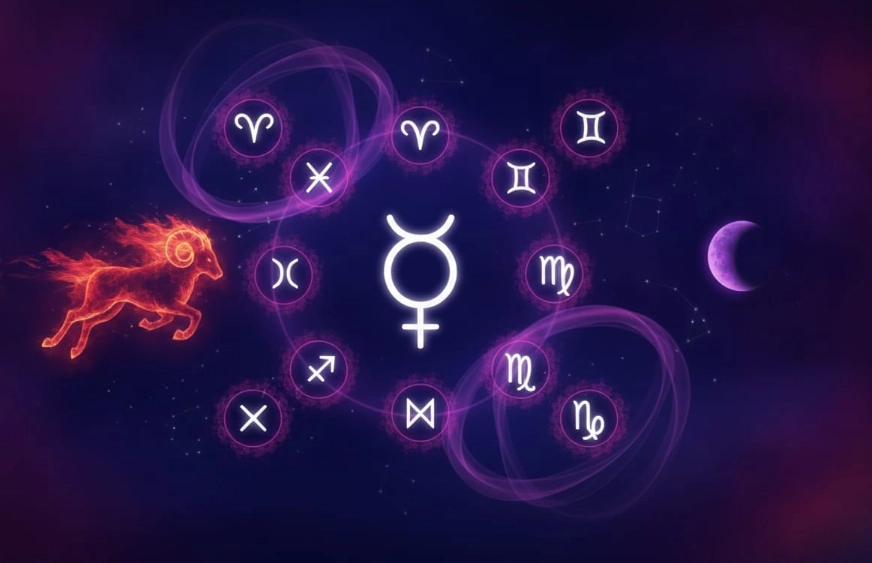
The positions are based on the sky, yes. The advice is not astronomy. The moon phase or Mercury retrograde is a real astronomical event; the meaning attached to it is astrological. Mixing those layers is exactly the mistake that makes people dismiss both fields. Keep the measurement and the meaning in separate boxes.
If I want to understand the astrology vs astronomy difference in one sentence, what should I say?
Astronomy asks what a celestial object is and how it behaves; astrology asks what its position might symbolize for a person. The chart is the shared starting point. The questions after that never meet.
One last thing I tell people who are new to all this. You don't need to pick a side to understand the difference. Astronomy runs on measurement that other people can repeat. Astrology runs on interpretation that a reader has to weigh. Both are older than modern science, and they've been pulled apart for centuries. Knowing which question you're asking is the skill. Everything else is vocabulary.
Reader Comments