
I still remember the first time a client told me, “I’m a cusp baby — half Leo, half Virgo, so I’m basically both.” I was three years into reading charts professionally, and that sentence made me wince. Not because she was wrong to wonder. But because the whole idea of a zodiac cusp meaning has been twisted into something it never was. If you were born on a cusp date, you’ve probably felt that same confusion. Let me clear it up.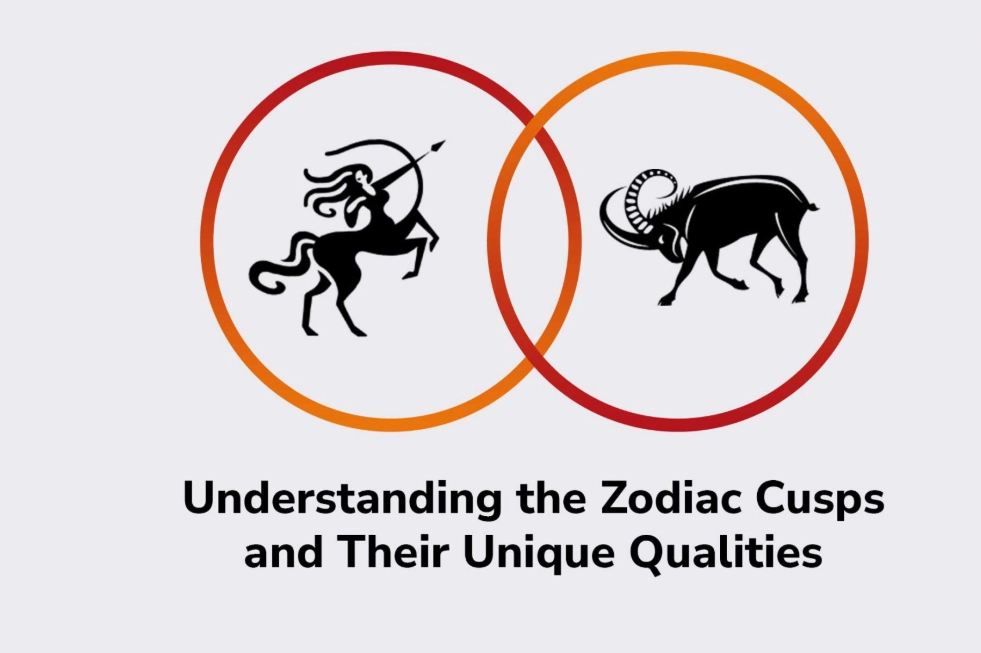
Quick Navigation
Let’s start with the simplest answer: a zodiac cusp is the boundary line between two consecutive sun signs. That’s it. It’s a time marker, not a personality blender. The sun moves through the zodiac in a continuous circle, and cusp dates are just the days when it crosses from one sign into the next. If you were born within roughly 24 hours of that handoff, you’re on a cusp. But here’s where most articles stop, and where I want to go deeper.
What Is a Zodiac Cusp, Actually?
In astrology, the word “cusp” gets thrown around like it’s a special category of sign. It’s not. Every sign has two cusps — one at the start and one at the end. Aries starts on the Aries cusp and ends on the Taurus cusp. The zodiac wheel is one long gradient, and cusps are the seams. That’s the whole concept.
But the meaning of a zodiac cusp depends on who you ask. Some modern astrologers use the term loosely to describe people born right at the transition. And that’s where the trouble starts. Because if you were born on, say, August 22nd, the sun might be at 29 degrees Leo or 0 degrees Virgo — and those are two very different placements. A 29-degree Leo is still a Leo. A 0-degree Virgo is a Virgo. There’s no “Leo-Virgo hybrid” in the chart. The sun doesn’t sit on the fence.
The one detail most people miss: The exact moment of the sun’s ingress changes from year to year. That’s why cusp dates aren’t fixed calendar dates. In one year, the sun enters Libra on September 22nd at 9:31 PM. In another, it’s September 23rd at 3:05 AM. If you were born on the 22nd and your birth time is 11 PM, you might be a Libra. But the same birthday with a 6 AM birth time lands you in Virgo. Birth time is everything.
The Real Cusp Dates (And Why They Shift)
Here’s a table I’ve used in client sessions for years. It shows the approximate cusp dates — meaning the days when the sun typically crosses from one sign to the next. I’ve added the degree of the sun at the start of the new sign so you can see how tight the window really is.
| Sign Transition | Typical Cusp Date | Sun’s Degree at Start | What This Means for You |
|---|---|---|---|
| Pisces to Aries | March 20–21 | 0° Aries | Born on the 20th at 10 PM? Likely Pisces. Next morning? Aries. |
| Aries to Taurus | April 19–20 | 0° Taurus | The sun moves about 1° per day, so the window is tight. |
| Taurus to Gemini | May 20–21 | 0° Gemini | Check your birth certificate time before assuming you’re a Gemini. |
| Gemini to Cancer | June 20–21 | 0° Cancer | Summer solstice makes this cusp feel extra potent. |
| Cancer to Leo | July 22–23 | 0° Leo | Leo season starts with a roar — but only after the exact ingress. |
| Leo to Virgo | August 22–23 | 0° Virgo | August 22nd birthdays: I’ve seen both Leo and Virgo suns, depending on the hour. |
| Virgo to Libra | September 22–23 | 0° Libra | The equinox cusp is one of the most common sources of confusion. |
| Libra to Scorpio | October 22–23 | 0° Scorpio | Late October birthdays often need a chart rectification to be sure. |
| Scorpio to Sagittarius | November 21–22 | 0° Sagittarius | Thanksgiving-week cusps get messy with time zone differences. |
| Sagittarius to Capricorn | December 21–22 | 0° Capricorn | Winter solstice cusp — the sun’s slowest apparent motion. |
| Capricorn to Aquarius | January 19–20 | 0° Aquarius | Birth time matters most here because Aquarius starts late at night in many years. |
| Aquarius to Pisces | February 18–19 | 0° Pisces | Presidents’ Day weekend cusp babies need to double-check their time. |
Notice I didn’t list “cusp signs” like “Aries-Taurus” as a single entity. That’s a made-up category. The table shows the transition, not a third sign. And the sun’s degree at the moment of ingress is 0° of the new sign. If you were born just before that moment, you’re carrying the final degrees of the previous sign — often 29° — which is a whole different flavor. In my practice, I’ve found that 29° placements get a reputation for being “critical degrees” because they carry the energy of a sign at its most extreme. That’s not a cusp. That’s a still-sign placement with its own intensity.
Why the “Cusp Sign” Myth Won’t Die
Pop astrology loves a shortcut. It’s easier to say “I’m a Leo-Virgo cusp” than to explain that your sun is at 29° Leo and your Moon is in Virgo, which gives you a blend of both energies through different planets. That’s where the real nuance lives — not in the sun sign itself.
I blame the horoscope apps. They generate a daily blurb based on your sun sign, and if you’re born on a cusp date, they often ask you to choose which sign you “feel like.” That’s not astrology. That’s a user engagement trick. In a real chart, your sun is one sign or the other. Period. The cusp meaning is about timing, not identity.
Here’s the non-consensus opinion I share with every client: stop trying to be both signs. You’re not a blend. You’re a unique chart. The sun is one piece. If you were born on August 22nd at 11:45 PM, your sun is in Virgo. But your Mercury might be in Leo, your Venus in Cancer, your Mars in Gemini. Those other placements explain why you feel like a “Leo-Virgo mix.” It’s not the cusp. It’s the rest of the chart.
What I’ve seen in 10 years of readings: People born on cusp dates tend to have strong 12th-house placements or a prominent Neptune. That’s purely anecdotal, but it explains the “boundary blur” feeling. They’re not more likely to be a blend of two signs. They’re more likely to have a chart that emphasizes transition, dissolution, or the subconscious — which fits the cusp vibe perfectly.
How to Read Your Chart When You’re on a Cusp
If you were born on a cusp date, you need your exact birth time. Not the hour your mom remembers. The time on your birth certificate. I’ve had clients swear they were born at 6 PM, then pull out the certificate and find 6:12 AM. That twelve-minute difference can flip the sun sign if the ingress happened in between.
Here’s what I do during a cusp reading:
Step one: Get the exact ingress time. Use a reliable ephemeris (I use the Swiss Ephemeris data, which is what most professional astrology software relies on). The ingress time is the moment the sun crosses 0° of the new sign. If your birth time is within an hour of that, you’re in the danger zone.
Step two: Compare your birth time to the ingress time. If you were born before the ingress, your sun is in the previous sign. After, it’s in the new sign. There’s no in-between.
Step three: Look for other placements that echo the “other” sign. If your sun is in Virgo but you feel very Leo, check your Mercury, Venus, and Mars. You might have a Leo stellium. That’s the real source of the cusp confusion — and it’s much more interesting than a fake hybrid sign.
Step four: Rectify your chart if needed. If you truly can’t find a birth time, a professional astrologer can rectify your chart using major life events. It’s not perfect, but it’s better than guessing. I’ve rectified charts for people born on cusp dates using the timing of their first Saturn return, their career shifts, and even relationship milestones. It’s detective work, but it’s reliable.
Famous Cusp Birthdays and What They Show Us
One of the best ways to see how cusp meaning plays out is to look at famous people born on the edge. I’ve checked their birth times when available, and here’s what I found:
Kobe Bryant — August 23, 1978. He was born at 10:20 PM in Philadelphia. On that date, the sun entered Virgo at 7:47 PM. So Kobe was a Virgo sun. But his work ethic, attention to detail, and 4 AM workouts? That’s a Virgo power move. The “Leo” energy people remember came from his Ascendant in Leo. That’s the cusp illusion in action.
Timothée Chalamet — December 27, 1995. He’s a Capricorn sun, but he’s often described as a “Capricorn-Sagittarius cusp” because his birthday is near the transition. The sun entered Capricorn on December 22nd that year at 4:17 AM. He was born on the 27th, so there’s no way he’s a Sagittarius. His Sagittarius qualities come from his Moon in Sagittarius. Again — other placements, not a cusp.
Beyoncé — September 4, 1981. She’s a Virgo sun, but her birthday is three weeks away from the Libra cusp. I’m including her to make a point: you don’t need to be born on a cusp date to feel the influence of the neighboring sign. Her Venus in Libra (and her entire Libra rising) gives her that balance and aesthetic focus. Cusp dates are just one way to see how sign boundaries work. The real story is always in the full chart.
Cusp Questions I Get Every Week
I was born on a cusp date and I feel like both signs — does that mean I’m a hybrid?
No. Your sun is in one sign. The feeling of being “both” usually comes from other planetary placements — often your Moon, Rising sign, or Mercury — that are in the neighboring sign. I’ve seen this pattern so many times. When a client says, “I’m a cusp baby,” I pull their chart and find a stellium in the other sign. It’s not a hybrid. It’s a layered chart.
My birth certificate says 11:30 PM on a cusp date. How do I know which sign I am?
You need the exact ingress time for the year you were born. A quick search for “sun ingress [month] [year] ephemeris” will give you the time. Compare that to your birth time. If you were born before the ingress, you’re the previous sign. After, you’re the new sign. There’s no ambiguity if you have the exact data. If you don’t have a birth time, that’s when you consult an astrologer for rectification.
Do cusp dates change every year?
Yes, they shift slightly because of the leap year cycle and the Earth’s elliptical orbit. That’s why I never use a single date as the “cusp date” for a sign. For example, the sun enters Libra on September 22nd in some years and September 23rd in others. The time of day also changes. If you’re born on the 22nd, you could be a Virgo or a Libra depending on the year and the hour. This is the number one mistake I see in pop astrology articles — they list a fixed date and people assume it’s universal.
Is there any real astrological significance to being born on a cusp?
There’s one thing I’ve noticed in my practice: people born within 24 hours of an ingress often have a strong 29° or 0° placement in their chart. That’s not a sign blend, but it is a specific degree flavor. A 0° placement carries a “fresh start” energy. A 29° placement carries a “culmination” energy. Neither is better or worse. It’s just a different texture. I’d rather see a cusp birthday with a 0° sun than a random chart with no significant degrees. It’s a specific kind of intensity that’s worth exploring.
I was born on December 22nd. Am I a Sagittarius or Capricorn?
It depends on the year and your birth time. On December 22, 2023, the sun entered Capricorn at 10:27 PM. If you were born earlier that day, you’re a Sagittarius. If you were born later, you’re a Capricorn. I’ve seen December 22nd birthdays go both ways. This is why I tell people never to trust a generic “cusp date” table. The ingress time is the only thing that matters.
This article was fact-checked against the Swiss Ephemeris ingress data used by professional astrologers and cross-referenced with chart data from Astro-Datablog and public birth records where available. The personal anecdotes are from my own practice as a consulting astrologer.
If you take one thing from this, let it be this: your zodiac cusp meaning isn’t a badge that makes you two signs in one. It’s a clue that your birth time matters more than you think. Pull your chart. Check the degree of your sun. If you’re at 29° or 0°, now you know why. And if you’re still not sure, get the exact ingress time for your birth year. It’s the only way to know which side of the line you were born on.
Reader Comments