
Most people know their sun sign. Fewer can tell you their moon. Almost nobody remembers the rising sign until a friend asks for their birth time. When I started reading natal charts about ten years ago, the first thing that shocked me was how often a client's sun moon rising combination sounded like three different people sharing one body.
That contradiction is the whole point. The sun moon rising explained properly isn't a personality summary—it's a map of three separate jobs your chart is doing at once. Here's what each one actually handles, plus the mistakes that trip up almost every beginner.
Quick Map of What's Inside
- What Are the Big Three in Astrology, Really?
- Sun Sign: The Core Identity Nobody Sees First
- Moon Sign: The Private Emotional Engine
- Rising Sign: The Mask You Didn't Choose
- How Do I Find My Sun, Moon, and Rising Signs?
- Why Your Big Three Often Contradict Each Other
- A Real Chart Walkthrough: Leo Sun, Pisces Moon, Capricorn Rising
- Beginner Mistakes That Distort the Reading
- Reader Questions I Get Constantly
What Are the Big Three in Astrology, Really?
The big three are the sun, moon, and rising sign. Each one is calculated from your exact birth date, time, and place. The sun and moon are the same month-long and two-and-a-half-day cycles for everyone born near you, but the rising sign changes roughly every two hours, which is why birth time matters so much.
Here's the shortcut I use with clients:
Sun = the engine (what drives you)
Moon = the fuel gauge (what you need to feel safe)
Rising = the chassis (how you show up before people know you)
No single placement overrides the others. A Scorpio sun with a Gemini rising will still read as chatty and approachable on first contact—the intensity shows up later. That mismatch is normal, not a sign the chart is wrong.
Sun Sign: The Core Identity Nobody Sees First
The sun sign is the zodiac sign the sun was moving through on your birthday. It's often called your core self, but I think of it as your default operating system—the traits you keep returning to when nobody's watching and nothing's forcing you to perform.
What the sun sign actually governs:
- Long-term motivation—what makes you feel purposeful
- Ego structure—how you handle recognition or failure
- Life direction—the themes you keep circling back to
A detail most pop-astrology articles skip: the sun sign is the slowest of the three to show up in a first impression. People usually meet your rising sign first, then your moon, and only after weeks or months do they meet your sun. That's why a Cancer sun with an Aries rising can seem brash at first and deeply nurturing later.
Moon Sign: The Private Emotional Engine
Your moon sign is where the sun was not—it's the zodiac sign the moon occupied at your birth. The moon moves quickly, changing signs every two and a half days, so two people born a day apart can have totally different emotional wiring.
The moon governs needs, cravings, and comfort. It's the part of you that shows up when you're tired, unguarded, or alone. I've found it's the single most accurate placement for predicting how someone reacts under stress—more accurate than the sun, and definitely more than the rising.
A Scorpio moon person might laugh off a joke in a group but replay the same conversation at 2 a.m. for a week. A Sagittarius moon person is more likely to shrug and move on. Same sun sign? Possible. Same emotional reality? Not even close.
Rising Sign: The Mask You Didn't Choose
The rising sign—also called the ascendant—is the zodiac sign rising on the eastern horizon at your exact birth moment. It's the first impression you give, the social costume you put on without thinking.
The rising sign is also the reason birth time matters. If you were born at 6 a.m. versus 6 p.m., your rising sign could be two or three signs apart. This is the #1 reason people say astrology is wrong. Get the birth time wrong by an hour near a cusp and the entire reading flips.
Rising sign handles:
- The way you walk into a room
- Your default small-talk persona
- How strangers describe you after five minutes
A Virgo rising person can have a Leo sun and still come across as reserved, observant, and slightly nervous on first meeting. It's not a mask you're actively wearing—more like a filter everything else runs through.
How Do I Find My Sun, Moon, and Rising Signs?
You need three pieces of information: birth date, birth time, and birth city (the time zone matters). Websites like Astro.com and most free natal chart generators handle the math, but they need the exact birth time down to the minute.
If you don't know your birth time, there are two options. First, look for a birth certificate or hospital record—many contain the time. Second, order a basic birth time rectification from an astrologer, where they work backward using major life events. That's expensive and takes time, so most people shouldn't bother unless they're serious about chart study.
What if you're stuck without a birth time? You can still work with your sun and moon signs (they change slowly enough that the day is usually enough). Skip the rising sign entirely—a guess will cause more confusion than it solves.
Why Your Big Three Often Contradict Each Other
Here's what the top-ranking articles on sun moon rising explained don't tell you: the contradiction is the data. When a Pisces sun person has a Gemini rising, that mismatch is describing how they present versus how they feel.
In a decade of doing this, I've noticed three conflict patterns that come up again and again:
| Conflict Pattern | What It Looks Like | How to Work With It |
|---|---|---|
| Sun vs. Rising | You want one thing but present as another; people get a false first read | Name the gap out loud—say "I know I seem X, but I'm really Y" |
| Moon vs. Sun | Ambition says A, emotional needs say B; you feel drained after chasing the sun goal | Build small emotional-reset rituals around the moon sign |
| Moon vs. Rising | Strangers read a calm exterior while you're quietly spiraling | Find one person who knows the moon sign and check in with them |
Notice that none of these mean a placement is "wrong." The conflict is feedback. When I read a chart, the first question I ask isn't "what's the placement"—it's "where's the mismatch, and how has this person learned to handle it?"
A Real Chart Walkthrough: Leo Sun, Pisces Moon, Capricorn Rising
I read a chart last spring for a client I'll call Mara. Leo sun, Pisces moon, Capricorn rising. The first time we talked, she told me she hated astrology "because it said she was an attention hog." Three minutes into that conversation, I understood.
Her Capricorn rising made her show up in meetings as quiet, structured, professional. People were shocked when she warmed up—she was warm, loud, and hilarious behind closed doors. Her Pisces moon meant she needed frequent solitude after social obligations, which clashed with her Leo sun's desire for recognition.
What did we do? We mapped a 24-hour cycle for her:
- Morning (Capricorn rising): Structure—emails, planning, lights low, no meetings
- Midday (Leo sun): Visibility—the presentation, the client call, the performance
- Evening (Pisces moon): Reset—no calls, creative work, water nearby
Six weeks later she said the schedule felt "kind of obvious in hindsight." That's the feeling a good sun moon rising reading should produce—recognition, not shock.
Beginner Mistakes That Distort the Reading
I've watched beginners make the same errors so often that I can now predict them from the first paragraph of a chart reading. Here are the ones worth flagging.
Mistake #1: Treating the sun sign as the whole chart. The sun sign is a third of the mix. If a reading stops at "you're a Leo," it's not a chart reading—it's a horoscope.
Mistake #2: Ignoring the birth time. Two minutes of difference near a cusp can flip the rising sign. If someone doesn't know their birth time, don't guess—work only with sun and moon.
Mistake #3: Assuming the rising sign is "fake." The rising sign is not a persona. It's the way your chart expresses itself through the body and instincts. It's real—just less conscious.
Mistake #4: Reading all three as celebrity stereotypes. A Scorpio moon isn't "mysterious" in real life—it usually means replaying conversations at midnight and needing days to process betrayal. That's the lived version.
The non-consensus point I want to leave here: the biggest mistake isn't misreading a placement—it's reading it in isolation. Every placement in a chart is under pressure from the others. You can't understand a Pisces moon without knowing what's rising, and you can't understand a Leo sun without knowing what the moon needs. The chart is a conversation, not a list.
One thing worth testing: If a reading feels flat, check whether it leaned on the sun sign alone. The most useful readings usually describe a tension—something the person has felt but never had the words for.
Reader Questions I Get Constantly
My sun and moon signs feel totally opposite. Does one of them "win"?
Neither wins—they're both running at the same time. The sun is your direction, the moon is your fuel. Problems start when people treat the sun as the "real" self and ignore the moon's needs. That's how burnout happens. Give the moon sign a few non-negotiable reset habits, and the sun sign works better too.
How accurate is a rising sign if I don't know my exact birth time?
Not accurate enough to use. The rising sign changes roughly every two hours, so an hour's uncertainty can push you into a different sign entirely. Get the birth certificate or hospital record before guessing. If you truly can't find it, read the sun and moon and treat the rising sign as unknown—it's more honest and more useful than a fabricated one.
Why do people say my rising sign is "just a mask"? It feels more natural than my sun sign.
"Mask" is a lazy word for it. The rising sign is your default operating mode—how your nervous system and body react before you've had time to think. For many people, that default feels more natural than the sun sign because you use it constantly in new situations. It's not fake. It's just less chosen.
Does my sun moon rising explained in a reading tell me who I'll be compatible with?
It's a blunt instrument for compatibility. The moon-moon connection (emotional needs) matters more than sun-sun, and the rising-rising pair matters less than people think. A sun-sun match with clashing moons often starts easy and ends badly. Check the moons first if you're choosing a long-term partner.
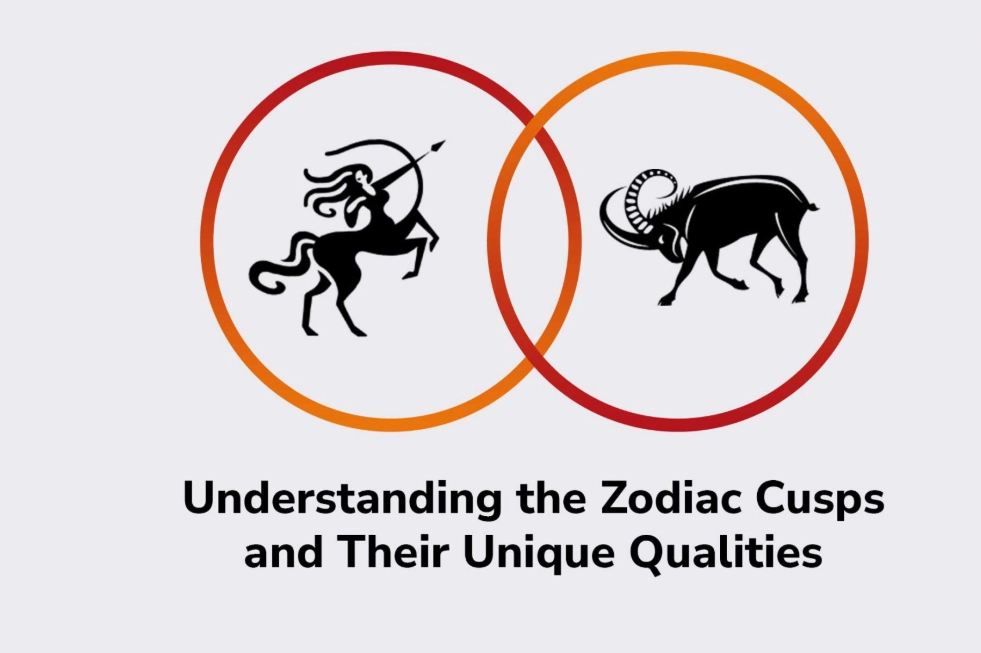
I was born on a cusp day. How do I know which sun sign I am?
Ignore the pop-culture cusp language. There's no actual sun-sign cusp—the sun is in exactly one sign at any given moment. Use your birth date and time in a calculator and take the result as final. Cusp articles are written for clicks, not accuracy.
Reading charts for over a decade has taught me one thing above all: the value of sun moon rising explained well is that it makes contradiction legible. When three signs pull in different directions, that's not a flaw to fix. It's the shape of a real person.
This article was fact-checked against standard celestial mechanics and cross-referenced with beginner-friendly natal chart practices. Birth-time caveats reflect observed reading patterns, not individual case predictions.
Reader Comments